Roofing Safety Essentials: Protecting Your Crew and Home During Installations Jul 10, 2026
Roofing safety begins with the right preparation. Before any project kicks off, conducting a comprehensive risk assessment is crucial. This involves evaluating the site for potential hazards, such as uneven surfaces, power lines, and weather conditions. By identifying these risks early on, appropriate measures can be taken to mitigate them, such as equipping workers with proper safety gear or choosing the optimal time for installation to avoid adverse weather.
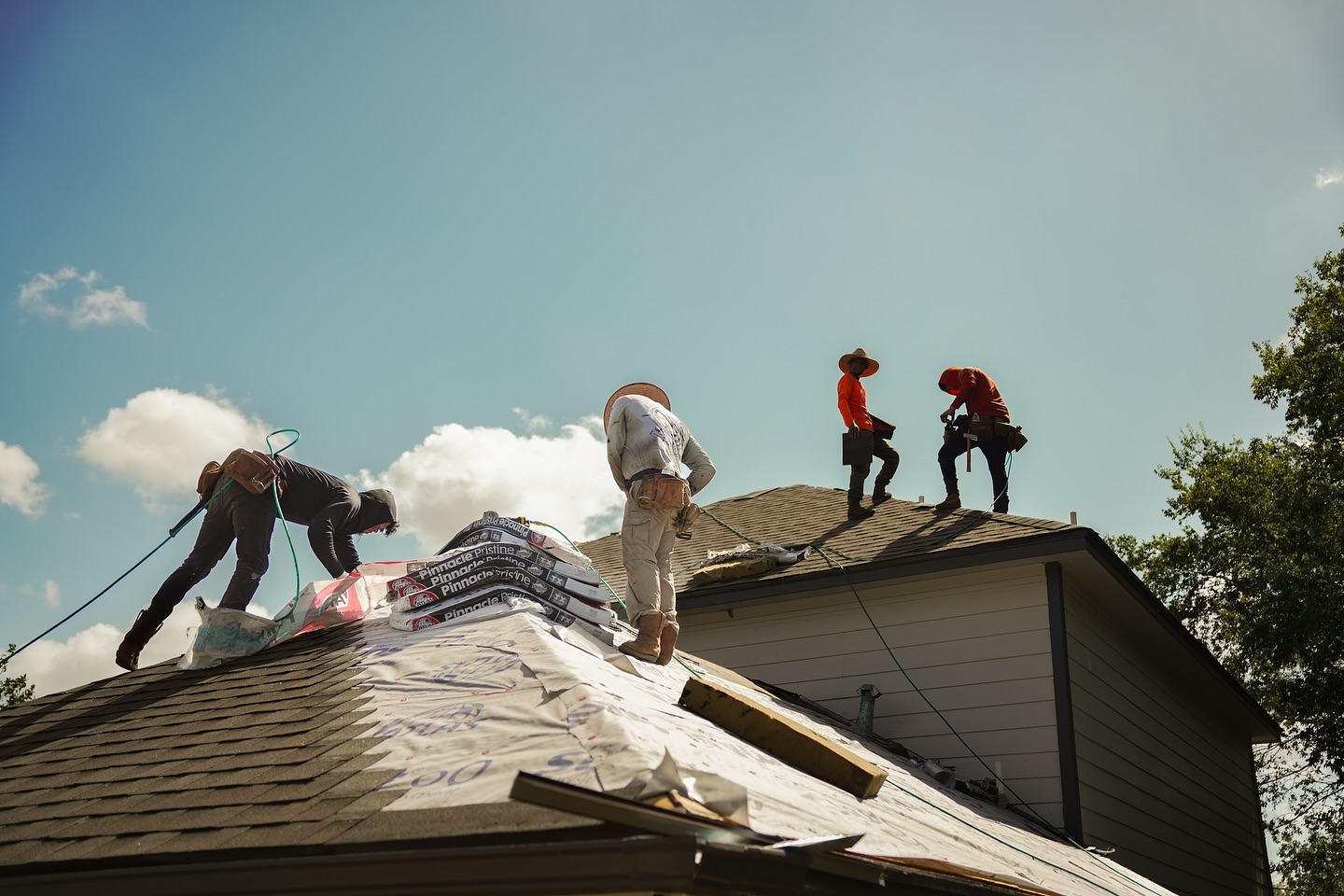
Appropriate protective gear is another cornerstone of roofing safety. Crew members should be equipped with helmets, harnesses, safety glasses, and slip-resistant footwear. Harnesses and safety lines should be used whenever workers are at heights to prevent falls, which are one of the most common dangers in roofing work. By investing in high-quality gear, Diamond Ridge Roofing can reduce accident rates and ensure the safety of its crew.
Maintaining a clean, organized work environment is essential for safety during roofing installations. Debris or unorganized tools can create unnecessary hazards. Implementing a protocol for regular clean-up and tool storage can significantly minimize slips, trips, and falls. Additionally, keeping the site tidy helps preserve the home's appearance, preventing damage to landscaping or exterior features.
Communication is equally vital in ensuring safety. Every team member at Diamond Ridge Roofing should be well informed of their responsibilities and the safety procedures in place. Regular safety meetings and training sessions can help reinforce these practices. Utilizing clear signals and maintaining open lines of communication ensures that the crew is aware of each other's positions and actions, thereby reducing the risk of accidents.
When it comes to protecting the home during roofing work, using the right materials and techniques is crucial. Placing tarps over landscaping and exterior elements can prevent damage from falling debris or materials. It's also important to choose the right roofing materials that are not only durable but also appropriate for the specific climate and conditions of the area. This consideration helps prolong the roof's lifespan and avoid future complications.
Moreover, ensuring the integrity of the home's structural frame is critical. The roofing team should inspect the underlying support for any signs of damage or weakness before installation. Addressing these issues beforehand means fewer surprises and reduces the risk of unnecessary harm to the structure.
In conclusion, prioritizing safety during roofing installations is essential for both the well-being of the crew and the protection of the home. By implementing thorough planning, using protective equipment, maintaining a clean site, ensuring clear communication, and choosing appropriate materials, Diamond Ridge Roofing can maintain high standards of safety and quality in all of its projects. A commitment to these roofing safety essentials not only ensures successful and secure installations but also builds trust and satisfaction with clients.
/filters:no_upscale()/filters:format(webp)/media/f643dc1c-d98e-41a4-8252-2f934d1f6594.jpeg)