Resilient Roofing: Strategies for Long-Term Weather Resistance Jun 19, 2026
Weather resistance starts with selecting the right roofing materials. Opting for materials like metal or slate not only adds an aesthetic appeal but also offers exceptional durability. These materials have proven themselves against harsh weather conditions such as heavy rains, snow, and high winds. Metal roofs, in particular, are known for their resistance to fire and moisture, which makes them an excellent choice for areas prone to wildfires and heavy rainfall.
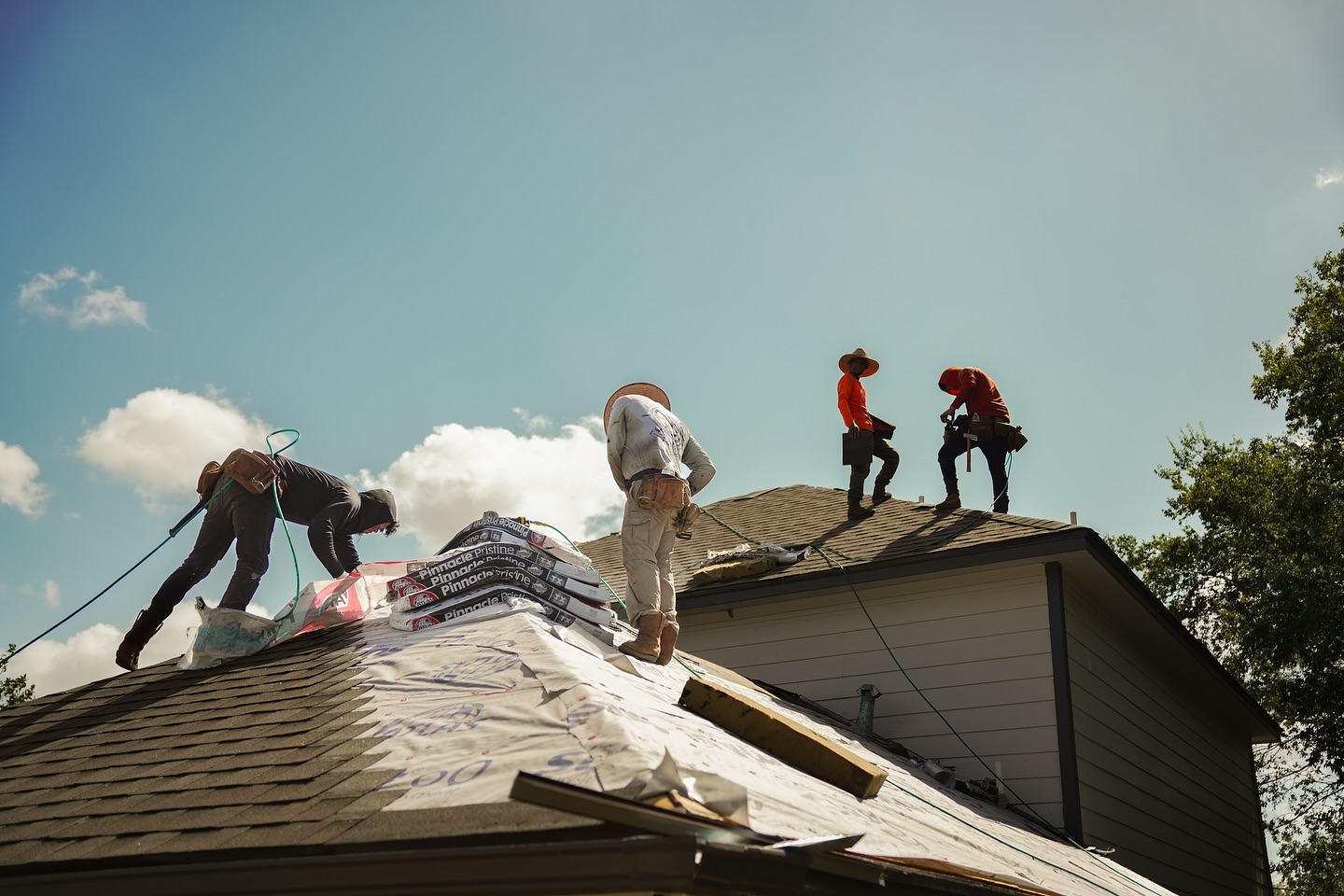
Proper installation is just as vital as selecting the correct materials. The expertise of your roofing contractor plays a key role in the resilience of your roof. Poor installation can lead to issues like leaks and structural damage which, over time, can compromise your entire roofing system. Engaging skilled professionals, like the team at Diamond Ridge Roofing, ensures that every component is installed correctly and performs optimally under adverse weather.
Routine maintenance also plays a significant role in maintaining a weather-resistant roof. Regular inspections can catch early signs of wear and tear, such as broken shingles or compromised seals, before they develop into larger, more costly problems. Keep your gutters clean and ensure that debris doesn't accumulate on your roof. This will help prevent water from backing up under the shingles and causing leaks.
Another key strategy for enhancing the longevity of your roof is investing in robust underlayment. Underlayment acts as an additional protective barrier against water infiltration, especially during heavy rains and snow melt. Products such as synthetic underlayment offer superior water resistance compared to traditional felt, providing an extra layer of security for your home.
Ventilation should not be overlooked in the quest for a resilient roofing system. Proper roof ventilation helps regulate temperature and moisture levels in your attic, preventing mold growth and ice dams in colder climates. An adequately ventilated roof contributes to energy efficiency in your home, which can lead to reduced utility bills over time.
Additionally, integrating technologies such as impact-resistant roofing products can help combat specific weather phenomenons like hail. These products are specifically engineered to withstand the impact of debris and minimize the damage caused by such events, thereby extending the life of your roof and maintaining its aesthetic appeal.
In conclusion, achieving a roof that withstands the test of time involves a combination of strategic material selection, professional installation, regular maintenance, and smart technology investments. At Diamond Ridge Roofing, we prioritize these elements to ensure that your roof remains a stronghold against any weather conditions it may face. Investing in these strategies not only protects your home but also provides peace of mind that it will continue to be a safe haven regardless of what Mother Nature throws your way. By proactively addressing these areas, you're not just maintaining a roof—you're securing long-term weather resistance for your entire home.
/filters:no_upscale()/filters:format(webp)/media/f643dc1c-d98e-41a4-8252-2f934d1f6594.jpeg)